The Ultimate Guide to Different Types of Glass: Which One is Right for You?
Published by Glass Mirror Pro | Expert Glass & Mirror Solutions
When it comes to upgrading your home or office, glass plays a much larger role than simply letting the light in. From keeping your family safe to adding a touch of elegance to your interiors, the type of glass you choose matters immensely. But with so many options on the market, how do you know which one fits your project?
Here at GlassMirrorPro, we believe in empowering our customers. Whether you are installing a new custom shower enclosure, replacing a storefront window, or adding a stylish mirror to your living room, this comprehensive guide will walk you through the most common types of glass and exactly where to use them.

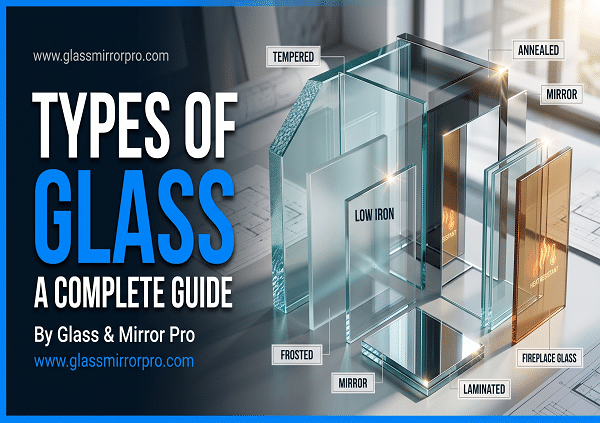
1. Annealed Glass (Standard/Float Glass)
Annealed glass is the most basic type of glass available. It is created through a process where molten glass is slowly cooled to relieve internal stresses. While it is highly customizable and easy to cut, it breaks into large, sharp shards when shattered.
- Best for: Small decorative windows, cabinet doors, and tabletops where safety is not a primary concern.
- Pros: Affordable, easy to cut and shape, offers excellent optical clarity.
- Cons: Not suitable for high-traffic areas due to its dangerous breaking pattern.
2. Tempered Glass (Toughened Glass)
If you’re looking for safety, tempered glass is your go-to. It undergoes a rapid heating and cooling process that makes it four to five times stronger than standard glass. If tempered glass breaks, it shatters into small, blunt pebbles rather than sharp shards, drastically reducing the risk of injury.
- Best for: Frameless shower doors, glass railings, patio doors, and low-level windows.
- Pros: High impact resistance, incredibly safe, withstands sudden temperature changes.
- Cons: Cannot be cut or drilled after the tempering process; all sizing must be done beforehand.
3. Tinted Glass
Tinted glass is perfect for controlling the amount of light and heat that enters your space while adding a sleek, modern look. The color is added during the manufacturing process, meaning it won’t peel or fade over time. Common shades include bronze, gray, green, and blue.
- Best for: Commercial building facades, sunrooms, automotive windows, and decorative interior elements.
- Pros: Reduces glare, blocks UV rays, offers mild privacy during the day.
- Cons: Absorbs heat, so it may require tempering to prevent thermal stress breakage.
4. Frosted Glass
When you need privacy without sacrificing natural light, frosted glass is the answer. Achieved through acid etching or sandblasting, this glass scatters light, blurring the view from both sides while still keeping the room bright.
- Best for: Bathroom windows, shower enclosures, office partitions, and front doors.
- Pros: Beautiful aesthetic appeal, high privacy, diffuses harsh sunlight.
- Cons: Can be slightly harder to clean depending on the texture of the frosted side.
5. Low Iron Glass (Ultra-Clear)
Have you ever noticed that regular glass has a slight greenish tint, especially around the edges? Low iron glass removes this tint by significantly reducing the iron content during manufacturing. The result is an ultra-clear, brilliant piece of glass that provides perfect color transmission.
- Best for: Display cases, aquariums, high-end shower enclosures, and situations where true color representation is vital.
- Pros: Maximum clarity, brilliant edges, unhindered light transmission.
- Cons: More expensive than standard clear glass.
6. Mirror Glass
Mirrors do more than just show a reflection; they have the power to transform a room, making it feel larger and much brighter. Our custom mirror glass is crafted by applying a highly reflective coating (usually silver or aluminum) to one side of the glass, sealed with a protective layer.
- Best for: Bathrooms, home gyms, dance studios, living room decor, and closets.
- Pros: Creates the illusion of space, enhances interior lighting, highly customizable.
- Cons: The reflective backing can be damaged by harsh chemicals or prolonged moisture if not sealed properly.
7. Laminated Glass
Laminated glass is the ultimate security glass. It is made by sandwiching a tough layer of polyvinyl butyral (PVB) resin between two or more layers of glass. If struck, the glass may crack, but the pieces adhere to the inner resin layer, keeping the pane intact and preventing break-ins or weather damage.
- Best for: Skylights, storefronts, car windshields, and areas prone to severe weather or requiring high security.
- Pros: Blocks up to 99% of UV rays, offers excellent soundproofing, holds together when broken.
- Cons: Heavier and generally more expensive than standard or tempered glass.
8. Heat Resistant Glass (NeoCeram / PyroCeram)
Standard glass shatters under extreme heat, but heat-resistant glass (often a ceramic glass blend) is designed specifically to withstand soaring temperatures without cracking or failing. It has an incredibly low thermal expansion rate.
- Best for: Wood stoves, industrial ovens, and extreme high-temperature environments.
- Pros: Can withstand continuous temperatures of up to 1200°F (or higher depending on the specific product).
- Cons: Higher cost and not intended for standard residential window applications.
9. Fireplace Glass Doors
A beautiful fireplace deserves beautiful, functional glass. Fireplace glass doors are typically made from highly durable tempered glass designed to withstand the radiant heat of a typical gas or electric fireplace, protecting your home from sparks while providing a clear, cozy view.
- Best for: Gas fireplaces, electric fireplaces, and decorative hearths. (Note: Wood stoves require true ceramic heat-resistant glass).
- Pros: Improves fireplace efficiency, adds a modern aesthetic, protects pets and children from open flames.
- Cons: Must be sized correctly and tempered specifically for the fireplace heat output.
Quick Comparison Matrix
| Glass Type | Primary Benefit | Best Use Case |
|---|---|---|
| Annealed | Cost-effective, Customization | Cabinet doors, small interior decor |
| Tempered | Safety, Impact resistance | Showers, large windows, railings |
| Tinted | Glare reduction, UV protection | Sunrooms, commercial facades |
| Frosted | Privacy, Light diffusion | Bathrooms, office partitions |
| Low Iron | Ultra-clarity, true colors | Display cases, high-end showers |
| Mirror | Reflectivity, spatial illusion | Bathrooms, gyms, decor |
| Laminated | Security, Soundproofing | Skylights, storefronts, windshields |
| Heat Resistant | Extreme thermal shock resistance | Wood stoves, industrial ovens |
| Fireplace | Radiant heat resistance, safety | Gas & electric fireplaces |
Ready to Start Your Next Glass Project?
Choosing the right glass doesn’t have to be confusing. The team at Glass Mirror Pro is here to help you source exactly what you need for a flawless installation.



Leave a comment